


"Nobody else is doing this for us," Beth says. "There's nobody better equipped to figure it out than the people who are most adversely impacted…It is absolutely critical to fund community organizing because all of this, every bit of it, would be impossible without organizing. Stuff doesn’t happen by magic. There might be some magic to it, though.”
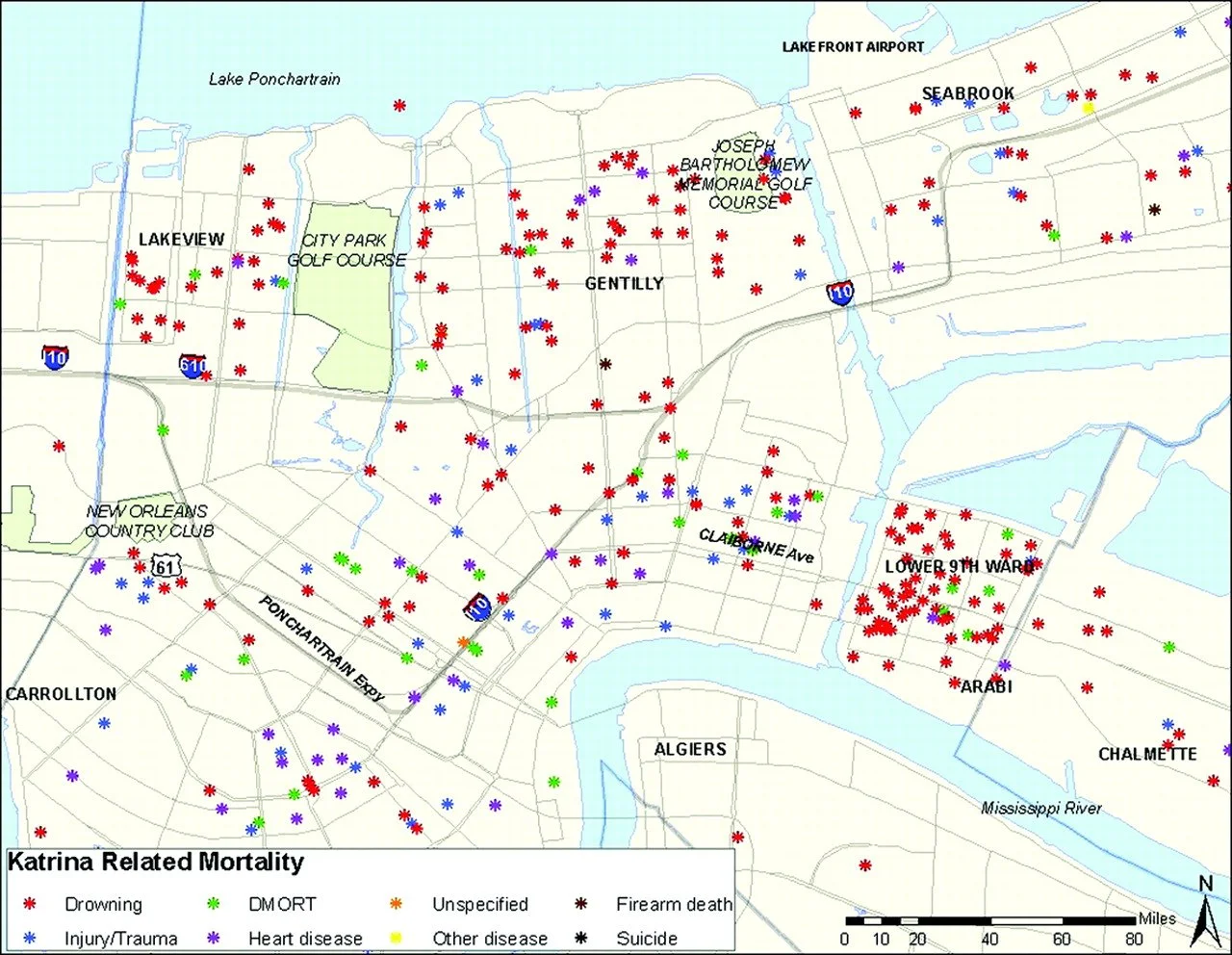
When the Disaster Hits or Water Rises: How One New Orleans Community is Planning for What Comes Next
“We're now able to truly go forward with a community-driven relocation plan. I feel like that would not have happened if we hadn't been together, working with everybody in the Next Step Cohort, and really just constantly having the information, the support. From the beginning of our time partnering, we've really felt like we could have a way to be together and be comfortable to listen, align, grow, intensify.” – Debra Campbell, Chairperson, A Community Voice
196 Years of Racist Policy: The Indian Removal Act and the Crisis it Built in Ottawa County
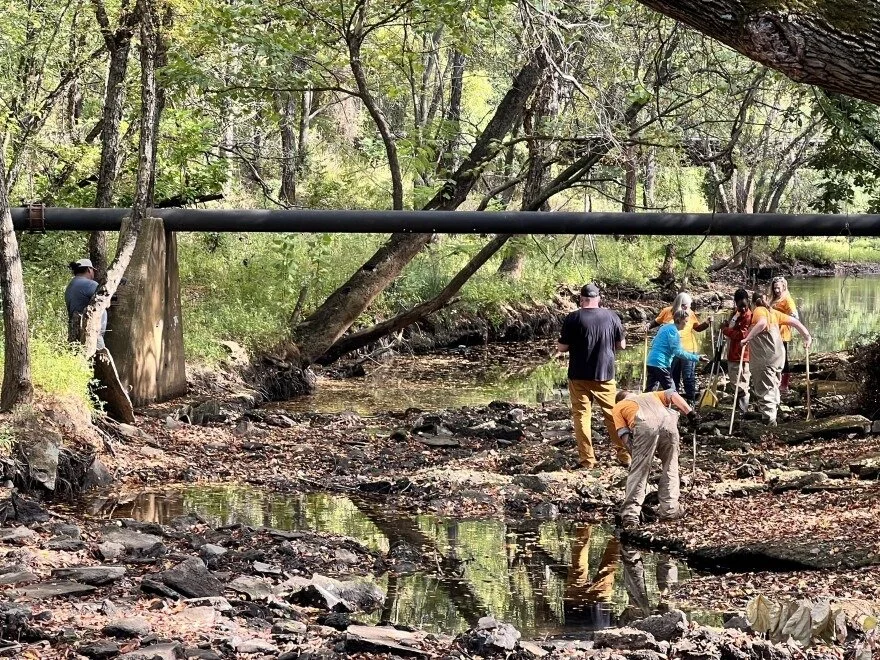
"They came from places that were beautiful and lush,” explains Rebecca Jim — a citizen of the Cherokee Nation, Tar Creekkeeper, and member of the Climigration Network’s Council and Next Step Cohort — describing the nine Tribal nations forced into Ottawa County in the 1830s and 40s. “They came to a place that, for the most part, was the tall grass prairie with plants they never had encountered."


