
On May 28, 1830, President Andrew Jackson signed the Indian Removal Act into law, a racist policy that forcibly displaced tens of thousands of Indigenous people from their homelands and set into motion a cascade of harm that has never fully stopped. Ottawa County, Oklahoma, is one place where harm has compounded for nearly two centuries.
"They came from places that were beautiful and lush,” explains Rebecca Jim — a citizen of the Cherokee Nation, Tar Creekkeeper, and member of the Climigration Network’s Council and Next Step Cohort — describing the nine Tribal nations forced into Ottawa County in the 1830s and 40s. “They came to a place that, for the most part, was the tall grass prairie with plants they never had encountered."
What followed after the Indian Removal Act was a deliberate dismantling. The buffalo were eradicated. Government and church schools suppressed language and culture. The Dawes Act broke up communal land holdings to intentionally fracture Tribal lifeways, economies, and identities. Then, industry moved in and poisoned the land Indigenous people were forced to live on.
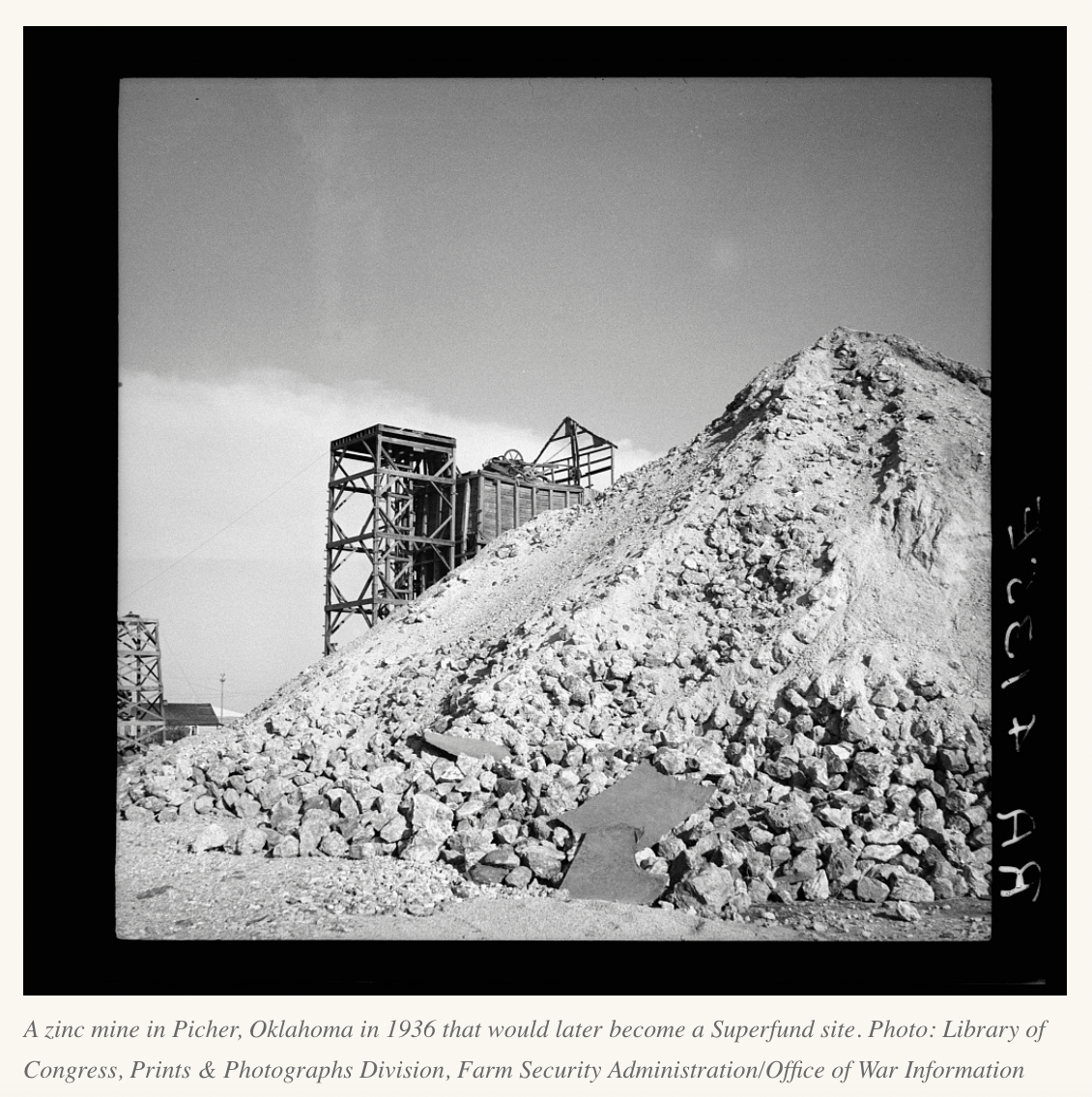
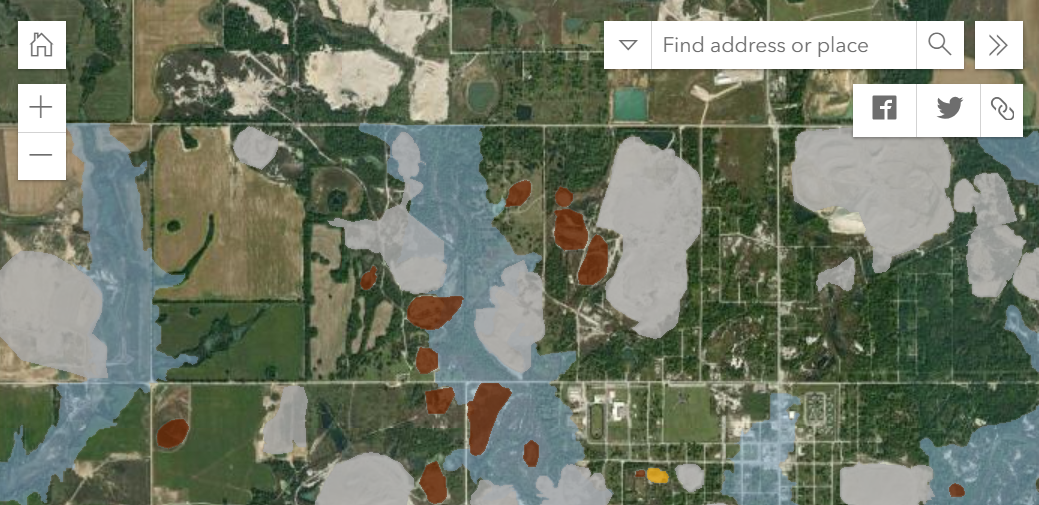
Tar Creek tells the rest of the story. One of the largest lead and zinc mining sites in the world operated in the heart of Ottawa County for decades, was abandoned, and left behind a Superfund site that has been pumping a million and a half gallons of heavy metal water into the creek for more than 47 years.
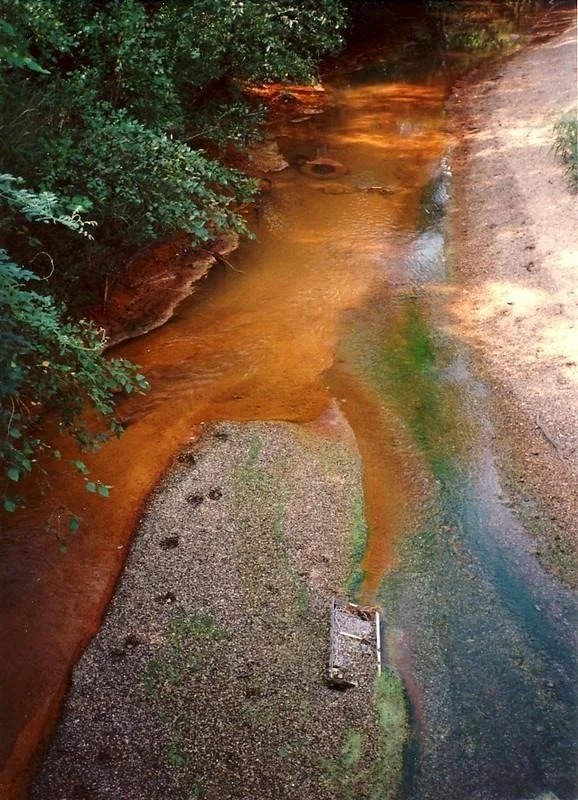
That contaminated water poisons plants, fish, wildlife, and people. It floods into yards and playgrounds. And for roughly 1,500 homes in the county, it is also inside the walls. For decades, local builders installed heating and air conditioning ducts beneath cement floors, surrounded by contaminated mine waste loaded with heavy metals. The sulfur in that waste eats through steel, blowing toxins directly into the homes people live in every day.
The Federal Regulatory Commission confirmed in 2024 that the deadly floods battering Ottawa County were not natural disasters. They were man-made. This is not a coincidence. It is the through-line of a 196-year project to strip Indigenous people of land, health, and future.
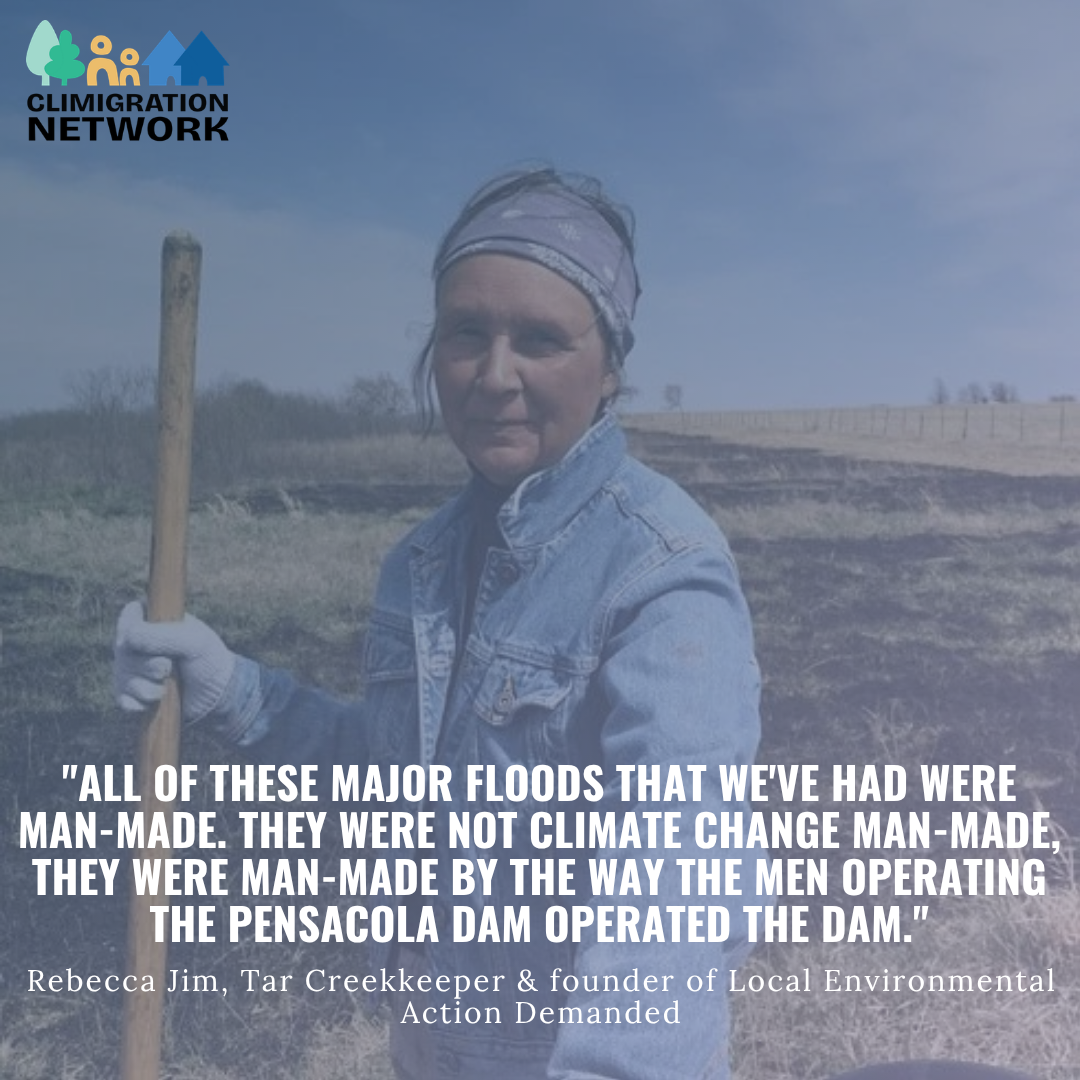
Rebecca’s organization, Local Environmental Action Demanded, or LEAD Agency, formed in 1997 to ensure the health and safety of the people living in Miami, Oklahoma, and the surrounding areas in northeast Oklahoma. It provides a voice for those who have been silenced and to bring justice to those who have been disproportionately impacted by environmental pollution.
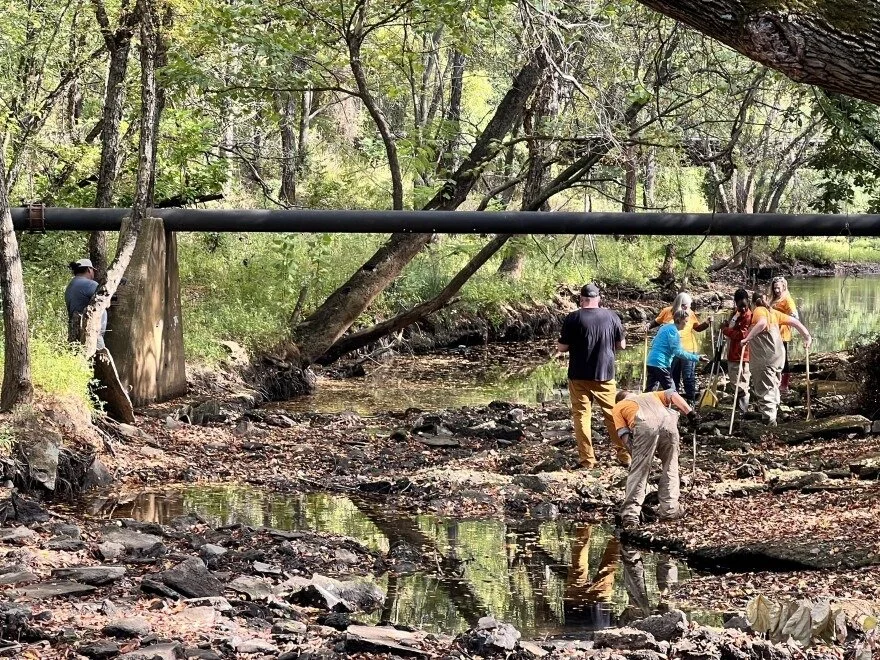
With support through the Network's Next Step Cohort and partners like the Anthropocene Alliance and Buy-In Community Planning, LEAD Agency has been able to move from documentation of these harms to actions to heal them. They have surveyed over 400 households in the floodplain, capturing who has flooded, how many times, and whether residents would consider a buyout or relocation. They have used Next Step Cohort funds to pilot HVAC elevation projects to protect households from flood damage. They have begun rerouting duct systems in contaminated homes to restore clean air, working toward a record of decision that would compel EPA to recognize indoor contamination as part of the Superfund cleanup mandate.
The Climigration Network also connected LEAD Agency with AREA Research, a non-profit arm of Perkins & Will, a partner now helping to identify the most efficient and affordable remediation solutions for affected homes, and strategies for communicating risk to residents in the meantime.
"We want to show the EPA it doesn't cost that much to give people clean air," Rebecca says.
This work is not a singular thing. It is Tribal sovereignty, environmental justice, flood mitigation, and public health moving together, because that is how the harm arrived.
About the Next Step Cohort
The Climigration Network’s Next Step Cohort is a group of community and Indigenous leaders from across the country sharing learning, funding, and capacity to build pathways to adapt to worsening displacement from climate and toxic pollution. Together, we:
Care for each other and ourselves more fully, sustaining strength, energy, and optimism
Leverage and share resources, ensuring that precious time, funding, and resources are not duplicating efforts
Have the time and energy to implement ideas, developing responses that make sense locally, with local partners
Scale feasible, thoughtful, dignified, and innovative responses, building on a broad base of experiences and expertise
Build collective power to shape funding and policy systems and make community-led planning common practice across the nation
“It is not money that brings us together, it is the mind-meld moments we have together that I don’t have anywhere else. It is the opportunity to speak with others doing similar work and sharing not just the work, but how it feels to do the work – the burden and load to carry it and the responsibility and hope to pass it on.” – Rebecca Jim