



Sharing learnings from 2018 Climigration Innovation Grant Awardees

A just transition for frontline communities has to include a just transition in how we treat the people leading it. That means resourcing rest, naming burnout honestly, and building peer networks where leaders can be held rather than deployed. The Grassroots Mutual Mental Healthcare Toolbox is one piece of that larger commitment, a resource for leaders to care for themselves and each other so the work of building a livable, sustainable world can continue for as long as it takes.
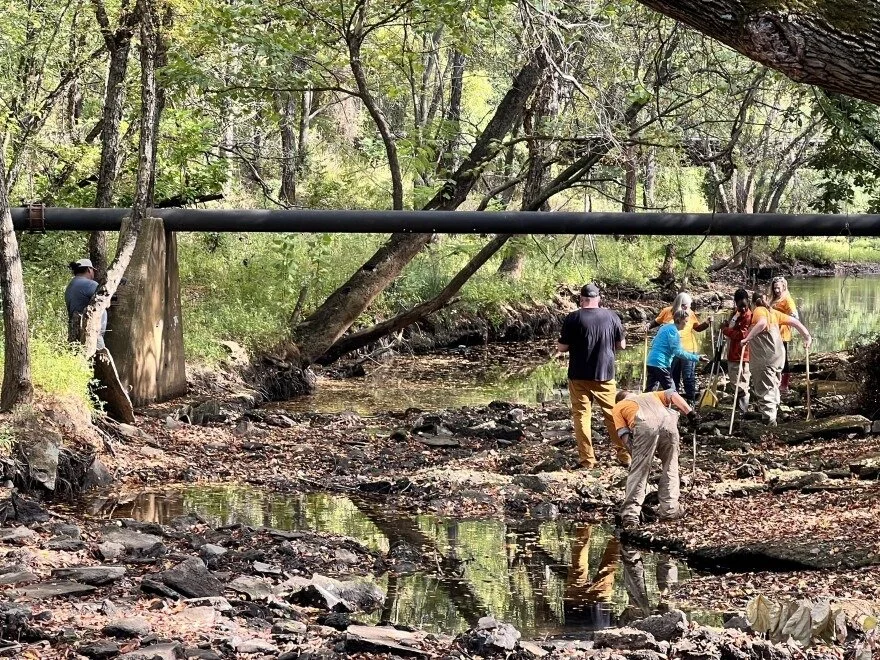
"They came from places that were beautiful and lush,” explains Rebecca Jim — a citizen of the Cherokee Nation, Tar Creekkeeper, and member of the Climigration Network’s Council and Next Step Cohort — describing the nine Tribal nations forced into Ottawa County in the 1830s and 40s. “They came to a place that, for the most part, was the tall grass prairie with plants they never had encountered."
Local communities and organizations sometimes find themselves wanting to partner with larger organizations or technical experts – but, it can be difficult to navigate the power dynamics and various legal agreements that are involved. This blog serves as a short guide to equitable contracting for smaller grassroots groups, Indigenous communities, institutional actors, academic & technical partners, and larger organizations.
This blog recaps a series of conversations hosted by the Fire Adapted Communities Learning Network and the Climigration Network on wildfire recovery and displacement.
Meghan Sullivan shares reflections and learnings from the webinar "Practices for Effective Engagement and Ethical Use of Information in Assessing Climate Adaptation Barriers and Needs Experienced by Northwest Coastal Tribes," a thought-provoking session that provided deep insights into the care, responsibility, and commitment required when partnering with frontline communities, particularly with Tribal Nations.